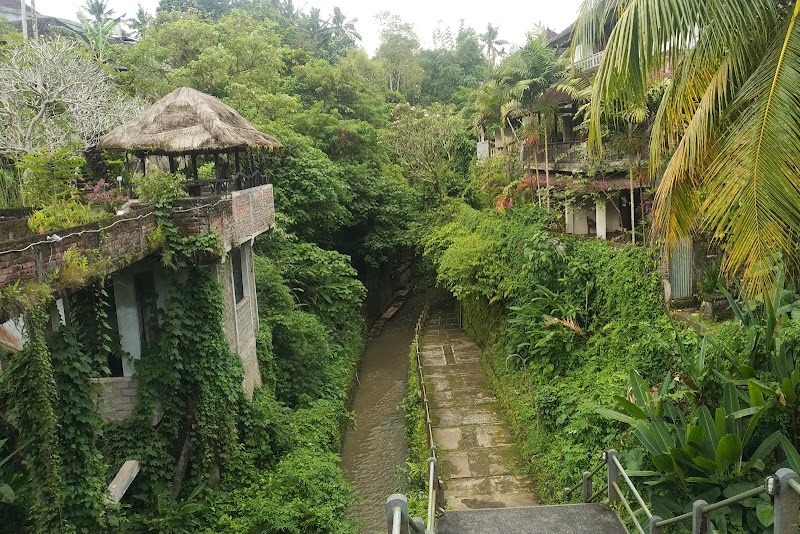
If you've spent any time on the travel side of TikTok, you have a mental picture of Bali. It's a cliffside infinity pool over rice terraces, a beach club at sunset, a yoga studio in the jungle, a coffee with foam art and a coconut on a wooden tray. It's beautiful, and it's not exactly fake — those things genuinely exist — but it's also not the trip most travelers actually have.
We've sent enough people to Bali (and gone enough times ourselves) to have strong opinions on which parts of the algorithm-Bali hold up and which parts will make you regret your trip planning. This is the version we'd give a friend who hasn't been.
What the algorithm gets right
A few things are worth defending. The algorithm Bali isn't entirely a lie:
The villas are real. A 5-bedroom villa with a private pool, full staff, and a daily breakfast spread for the price of a basic AirBnB in Lisbon — that exists, and it's one of the genuine bargains in modern travel. If you're traveling with a group, this is the headline reason to pick Bali.
The food scene is genuinely good. The wave of Australian-and-European-trained chefs who've moved to Bali in the last decade has created a casual fine-dining scene that punches well above the price point. Locavore in Ubud and Mason in Canggu are restaurants that would be famous in any city.
The wellness scene is real, if narrowly defined. Yoga, sound baths, breathwork — these aren't pretend. Some of them are even good. (More on the qualifier in a minute.)
The surf is exceptional. This is the one thing the algorithm consistently undersells, because surf videos perform worse than waterfall videos. But Bali's surf scene is one of the most welcoming and most-storied in the world. If you've ever wanted to learn, this is the place to do it.
What the algorithm gets wrong
Now the longer list.
The geography is misleading
You see "Bali" tagged on a video and assume the whole island is one connected place. It is not. Bali is geographically big — about 95 miles by 70 miles — and the regions that show up in travel content (Ubud, Canggu, Uluwatu, the East coast) are not adjacent. Driving from Ubud to Uluwatu can take 90 minutes to two and a half hours depending on traffic. Canggu to Ubud is about 75 minutes. The East coast adds another two hours from any of them.
If you assume you can stay in one villa and "see Bali," you'll spend most of your trip in a car. The fix is to plan multiple bases. A Bali trip is a multi-stop trip, even though it doesn't look like one in the videos.
The traffic is a lot worse than you think
The "lush peaceful island" framing of Bali in most travel content is filmed on side roads, often early in the morning, often by drone. The reality of getting around Bali in 2026 is that the main roads — particularly through Canggu, Seminyak, and the corridor connecting them — are gridlocked. A 5-mile trip on a Saturday afternoon can take 90 minutes. Restaurants and beach clubs are designed assuming you'll take a scooter; if you don't ride, you'll be in a slow car.
The fix is to base in walkable neighborhoods. Pererenan instead of Canggu. Pengasekan instead of central Ubud. Bingin instead of Uluwatu's peak cliffs. Walking distance to a few good meals is worth the trade-off of being slightly outside the algorithm's preferred zip codes.
The wellness scene has a lot of ambient nonsense
This one is delicate but real. The genuine yoga teachers in Bali are great. There are also a lot of "wellness" offerings that are essentially poorly-trained teachers, recently-arrived expats with three months of experience, and pseudoscientific therapies marketed to credulous tourists for high prices.
The fix is to research individuals, not studios. If a teacher has been teaching in Bali for less than three years, they're probably part of the influx of people who came for the algorithm. Look for the older Indonesian teachers (genuinely deep traditional practice) or the foreign teachers with 10+ years on the island. Studios are downstream of teachers; the brand on the door tells you very little.
The "hidden waterfalls" are not hidden
Every "secret" waterfall in Bali is in 50,000 saved videos. By the time you arrive, the access road has been improved, the entry fee has been added, the parking lot has been built, and there's a queue for the photo. Some are still beautiful. Most are oversold.
The fix is to skip the headline ones (Tegenungan, Sekumpul on a weekend) and find smaller, less-filmed cascades through a local guide. Or — and this is the take we'd actually defend — skip the waterfall day entirely on a first Bali trip. The beaches, surf, and cultural sites are richer and less mediated.
The rice terraces don't look like that
Tegalalang is the famous rice terrace and the one in every video. It's a real place. It's also been heavily monetized in the last few years — staircases built for photos, paid swing rides, food stalls every fifty feet. The version of the rice terraces you see in videos is shot at a specific angle that crops out the infrastructure.
The fix is to skip Tegalalang and visit Jatiluwih instead. It's a UNESCO-protected terrace system in the central highlands, less photogenic in the algorithm sense, much more authentic. You'll see actual farmers actually farming.
The spiritual side is real but it's not the spectacle the videos suggest
Bali is genuinely a spiritual island. The Balinese Hindu calendar drives most of life on the island, the temples are active and used, and the ceremonies are constant. But the algorithm version — solo Western traveler, white linen, sunset purification ritual, set to ambient music — is mostly performance. The actual spiritual life of Bali is communal, daily, often early in the morning before the tourists are awake, and largely indifferent to you.
The fix is to attend a real ceremony if you're invited and behave respectfully, not to seek out the photogenic version. The local odalan (temple anniversary celebrations) happen constantly; ask your villa staff or a local guide. They are not put on for tourists; you're a respectful guest, not the protagonist.
The "tropical" climate isn't a vibe, it's weather
Travel content elides the actual weather. Bali in the wet season (November-March) is hot, humid, and rainy in the afternoon nearly every day. Bali in the dry season (May-September) is hot, slightly less humid, and dusty. The one-week-of-perfect-weather version that videos suggest doesn't exist; even in the dry season, plan for one or two days of weather.
The fix is to plan for the heat. Morning activities only; afternoon nap; evening dinner. Don't try to do midday hikes. Don't book outdoor lunches in the wet season. Bring more clothes than you think you need (you'll change three times a day) and accept that everything will feel slightly damp.
How we'd actually plan a Bali trip in 2026
After all of the above, here's the framework we'd give someone planning their first trip:
- Plan for ten days minimum. Less than a week and you'll feel like you didn't unpack.
- Split between two regions. Five days in Ubud and five in Uluwatu is the classic combination. Or 3 + 4 + 3 across Ubud, Canggu, and Uluwatu if you want more variety.
- Pick villas in walkable neighborhoods. Not on the main road; one block in.
- Book restaurant reservations 2-3 weeks ahead. The good ones fill up.
- Don't try to do everything. Pick three "headline" activities total — a temple visit, a surf lesson, a rice-terrace morning — and let the rest be slow days.
- Hire a driver for inter-region moves. Don't try to scooter from Ubud to Uluwatu.
- Budget extra time. Whatever you think the day will take, add 50%. Bali's pace is slower than the algorithm suggests.
The bigger point
The Bali you see in your saved videos is a curated, drone-friendly, golden-hour version of a much messier, more interesting island. The mess is part of the appeal. The traffic, the bureaucracy of the temple visits, the way the morning ceremonies happen on every street, the moments of unexpected stillness — these are the parts that turn a Bali trip into a real trip rather than a content set.
Plan for the actual island, not the algorithm one, and Bali rewards you in ways the videos never managed to show.
— —
If you've been saving Bali videos and want help triaging them into a real plan, SavedTrips extracts every place from the videos automatically and lets your group filter through them together. Or browse our Bali travel guide for the curated picks across Ubud, Canggu, Uluwatu, and the rest of the island.