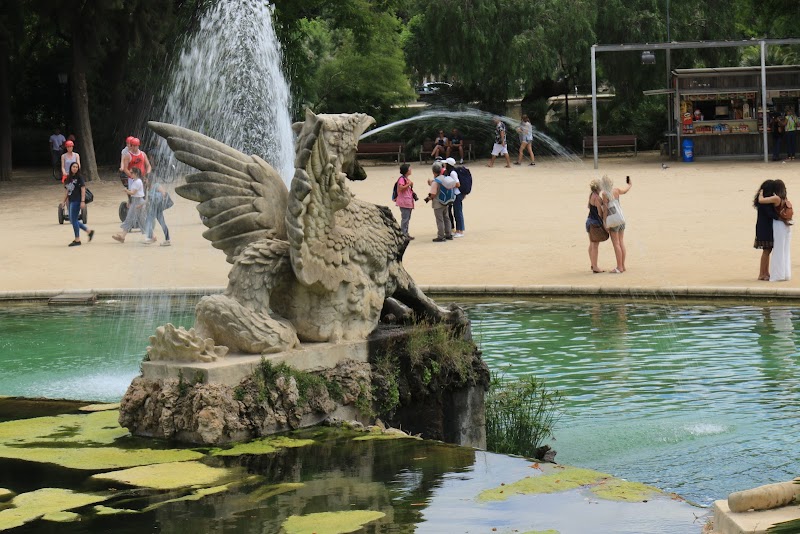
The thing American travelers struggle with most in Barcelona is the schedule. The city operates on a timeline that's two to three hours later than what you're used to, and trying to force it into a 7am-to-10pm rhythm produces a frustrating trip. Lean into the local schedule and Barcelona becomes one of the best four-day cities in Europe.
This is the version we send friends. It assumes you're willing to eat dinner at 10pm, nap in the afternoon, and treat the morning beach as a real activity. If you can do that, the city pays you back.
The principle
Barcelona has three main "layers" most travelers blend together but shouldn't:
- The architectural Barcelona — Gaudí, the Eixample, the Sagrada Família.
- The neighborhood Barcelona — Gràcia, El Born, the Gothic Quarter, Poble-sec.
- The coastal Barcelona — Barceloneta, the marina, the morning swim.
Each of those wants its own block of the day. Don't try to do Sagrada Família and the beach and tapas in El Born and a club in El Raval all in one day. The compression kills the trip.
Day 1: Land slow, El Born evening
Most flights land in the morning or early afternoon. Don't try to do anything serious on Day 1. Drop bags, walk somewhere within 15 minutes of where you're staying, and orient.
If you're in El Born: walk Passeig del Born, see the basilica of Santa Maria del Mar (the cathedral the architects love more than they love the actual cathedral), have a long lunch at one of the small tapas bars on Carrer del Rec.
If you're in Eixample or Gràcia: walk a few blocks of the Eixample's grid (the city's Gaudí-era 19th-century planning is itself a thing to look at), have a casual lunch.
Afternoon: nap. Genuinely nap. The Spanish siesta is structurally important to the trip — without it, you can't make the late dinner work, and without the late dinner, you don't have Barcelona.
Evening: vermouth and tapas at a small bar around 8pm. Bar Brutal, Bar del Pla, or El Xampanyet for the classic experience. Dinner at 10pm. Cal Pep for the seafood-bar experience, Bar Cañete for the upscale-but-still-casual local pick, or just keep grazing at small bars until midnight. The late-night tapas crawl is the right Day 1 move.
Day 2: Gaudí morning, Gràcia afternoon, food at night
Up at 8am. Coffee at the hotel or a local forn (bakery). 9am at the Sagrada Família. Reservations are non-negotiable — book six weeks ahead. The first time-slot is the only sane one; by 11am the building is uncomfortable. Plan for ~75 minutes inside.
After Sagrada, walk or metro to Casa Batlló or La Pedrera (Casa Milà) for a second Gaudí site. Pick one, not both. Casa Batlló is more visually surprising; La Pedrera is more architecturally substantial. Either runs ~90 minutes.
Lunch in Eixample: tapas at a real lunch counter. Bar Mut or Disfrutar if you want the contemporary version (Disfrutar requires a reservation months out and is one of the world's best restaurants).
Afternoon: walk or metro up to Gràcia. This is the neighborhood that proves Barcelona is more than a tourist machine — it's where actual Barceloneses live, work, drink, and argue about the rent. The square plazas (Plaça de la Vila de Gràcia, Plaça del Sol, Plaça de la Virreina) are the right places for a slow afternoon coffee or beer. Wander, don't itinerate.
Evening: dinner in Gràcia. Bar Bodega Quimet is the iconic neighborhood tapas joint. Roig Robí if you want a quieter sit-down. Drinks afterward at a small spot off one of the plazas. Walk back to your hotel through the streets that are still lit at midnight.
Day 3: Gothic Quarter, Park Güell, beach evening
The earliest start of the trip. Up by 8am. Walk to Park Güell by 9am for the timed entry (book in advance). The hour-long visit is enough; the views over Barcelona are worth the climb up.
Mid-morning: walk down through Sant Antoni and into the Gothic Quarter. The Gothic is the city's medieval heart and at 11am — before the cruise crowds — it's still the city it was 800 years ago. Wind through the small lanes, stop at the Cathedral of Barcelona (free outside of mass), and find a coffee at Federal Café or Satan's Coffee Corner.
Lunch in the Gothic or El Born: Cera 23 in El Raval, Bar del Pla in El Born, or any small spot you stumble into.
Afternoon: this is the beach afternoon. Take the metro to Barceloneta or walk if you're in El Born (~20 minutes). The beach is real — the city is on the Mediterranean — and a 3pm swim or beach-walk is one of the underrated free things about Barcelona. Hit the Bogatell or Mar Bella beach (further from Barceloneta, less crowded) for the better experience.
Evening: dinner near the marina at sunset. Can Solé for paella (the real version, not the tourist version on Las Ramblas), or walk back into Poble-sec for Quimet i Quimet — a tiny standing-only spot that's been making montaditos (small open-faced sandwiches) for 100 years and is one of Barcelona's most genuinely beloved places.
After dinner: drinks in El Raval or Poble-sec. The bars don't really start until midnight; clubs not until 2am.
Day 4: Picasso morning, the slow finish
The last day should be lighter. Save energy for the flight home.
Morning: the Picasso Museum in El Born (90 minutes max), or the MNAC (Catalan national art museum) on Montjuïc if you're in a more art-history mood. Pick one.
Lunch: the Boqueria Market off Las Ramblas is famously touristy and famously good. The trick is going to the back of the market (away from the entrance) where the locals eat. El Quim de la Boqueria or Bar Pinotxo for the iconic stand-up lunch.
Afternoon: the final wander. The streets of El Raval if you want a grittier neighborhood. The Born if you want one more pass through the cute one. The Magic Fountain at Montjuïc if you're around for a Friday or Saturday evening (it's free, vaguely cheesy, and a real local-tourist mix).
Last dinner: somewhere unfussy in your home neighborhood. Don't book the splurge for Day 4 — your stomach has had three nights of late dinners already, and a casual local meal is the right close.
What to skip
A few things that show up on standard Barcelona itineraries that we'd cut:
- Las Ramblas, except as a 10-minute walk-through. It's been overrun for 30 years; the actual city is one block in either direction.
- Camp Nou, unless you're a serious football fan. It's currently being renovated and the experience is diminished.
- Hop-on-hop-off buses. The metro is faster, cheaper, and shows you the city better.
- Day trips to Montserrat on a 4-day trip. It's beautiful and worth doing — on a longer trip. On 4 days, the round-trip eats too much time.
- Booking every meal in advance. Book the splurges (Disfrutar, Cal Pep). Let the casual lunches and tapas bars happen organically.
Where to stay
For a 4-day trip, base yourself in El Born, Gràcia, or Eixample (specifically the Esquerra de l'Eixample). All three are walkable, residential, and put you close to where the city actually lives.
Avoid: Las Ramblas / Plaça Catalunya area for sleeping (loud, touristy, you'll never get a real Barcelona meal within 10 minutes of your hotel). Avoid: Sagrada Família neighborhood for sleeping (boring, far from the food, awkward at night).
Mid-range hotels run €150-280/night in season. Apartments are often half that and put you in real residential streets.
A note on the schedule
The single piece of advice that makes Barcelona work is: eat dinner at 10pm. Not 7pm. Not 8pm. 10pm. The good restaurants don't fill up until 9:30. The neighborhoods don't really come alive until after 10. The clubs don't start before 2am.
If you can adjust your sleep schedule to match — afternoon nap, late dinner, late night — Barcelona becomes a different city. If you can't, you'll have a fine trip but you won't have the Barcelona trip.
— —
If you've been saving Barcelona videos and trying to pull them into a working trip, SavedTrips extracts every place automatically. Or browse our Barcelona travel guide for the full set of curated picks.