Three days in Rome is enough if you do it right and a disaster if you don't. The standard itinerary — Colosseum and Forum on day one, Vatican on day two, Trevi-Pantheon-Spanish Steps on day three — is the one most travelers take, and it's the one that produces the most exhausted, overheated, vaguely disappointed Rome visitors. The city has more important things to offer than a checklist of monuments.
This is the version we recommend to friends. It's organized around where you eat, with the antiquity slotted into the gaps. After a few trips, this is the structure that holds up.
The principle
Book three real dinners before you do anything else. Pick one in Trastevere, one in the centro storico, and one in the Testaccio or Monti neighborhood. Reserve them four to six weeks out. The dinners are the spine of the trip; everything else fills in around them.
Rome is dense enough that you can walk from any of these neighborhoods to any major historical site in under 30 minutes. So booking a 9pm reservation in Trastevere doesn't lock you out of the Vatican that morning. It just gives you a destination for the evening, which is the part of the day Rome does best.
Day 1: The classic morning, the Trastevere evening
Land or wake up early. The Roman summer heat is real even in May and September; before 11am is the only time the Forum and Colosseum are bearable.
Start at the Colosseum at the 8:30am opening. Combo ticket includes the Forum and Palatine Hill. Three hours, total, if you're efficient. Don't try to read every plaque. The Colosseum interior is the kind of thing where photos don't do it justice — the scale only lands in person — and the Forum is best as a slow walk rather than a guided lecture.
Lunch in the Monti neighborhood, ten minutes' walk from the Forum. Monti is the most underrated central neighborhood — it has the look of Trastevere with a fraction of the tourists. Pick a small trattoria for cacio e pepe and an artichoke. Trattoria Vecchia Roma or La Taverna dei Fori Imperiali if you can get a seat.
Afternoon: nap, or wander Centro Storico — Pantheon, Piazza Navona, Campo de' Fiori. The walk between them is part of the city's appeal. The Pantheon at 4pm has fewer people than at noon. A gelato at Giolitti between sights is correct.
Evening: cross the river to Trastevere for your first big dinner. We'd push for Roma Sparita for the cacio e pepe-in-a-cheese-bowl that the food creators won't shut up about (they're right, it's worth it), or Da Enzo al 29 for the most Roman of Roman trattorias if you can get the early seating. Wander Trastevere's lanes after dinner. The neighborhood gets busier, not quieter, after 10pm.
Day 2: Vatican morning, lazy afternoon, centro storico evening
The Vatican Museums + Sistine Chapel + St. Peter's Basilica is the day-2 marathon. Book a 9am entry at the Vatican Museums (anything later is a regret). The crowd dynamics inside are real — by 10am, the Sistine Chapel is shoulder-to-shoulder. The earliest slot is the only sane choice.
Plan for four hours. Exit through the basilica side. Climb the dome if you have the energy, skip it if you don't (the view from the basilica's roof is similar at less effort).
Lunch in Borgo or Prati, the neighborhoods adjacent to the Vatican. Both are quieter than the historical core, both have decent restaurants. Pizzarium for pizza al taglio is a Bonci icon and worth the walk. Bonci Pizzarium alone justifies the lunch decision.
The afternoon should be unstructured. Lots of travelers try to cram another major site in (Castel Sant'Angelo, the Borghese Gallery) and burn out. Better: cross the river, walk along the Tiber, eat a gelato at Fior di Luna, sit at Piazza Farnese, and let the day breathe. The Borghese Gallery is genuinely incredible and should be saved for a future trip when you're not trying to do Rome in three days.
Evening: a centro storico dinner. Try Salumeria Roscioli for the most thoroughly Roman take on classic dishes (book a month out), or Armando al Pantheon for the close-to-the-Pantheon evening. The walk back to your hotel through quiet centro storico streets at 11pm is one of the best free things in Rome.
Day 3: Testaccio market, neighborhood wandering, last big dinner
Day 3 is the day you see the Rome that locals actually live in.
Start at the Testaccio Market at 9am. It's a covered food market in a working-class neighborhood across from the Aventine Hill. Lunch comes from one of the stalls — the panino con bollito at Mordi e Vai is the move. Sit on the steps outside.
After lunch, walk up to the Aventine Hill for the Keyhole view (the Knights of Malta keyhole that frames St. Peter's perfectly — it's a tiktok cliché but it's also genuinely beautiful) and the Giardino degli Aranci for views over the city.
Afternoon project: pick one museum. Our pick is the Galleria Borghese, which requires a reservation but only takes two hours and is one of the great small museums in Europe. Bernini's Apollo and Daphne alone is worth the trip. If the Borghese is booked out, the Capitoline Museums are the second-best call and rarely full.
Evening dinner: this is the splurge. Either La Pergola (three Michelin stars, the city's grand-hotel dinner, book three months out) if you're celebrating, or Trecca for the more affordable but still excellent neighborhood dinner. End with a walk to Castel Sant'Angelo at sunset for the bridge view. The 10pm gelato is non-negotiable.
What to skip on a 3-day trip
A few things we'd cut, even though they're on every standard itinerary:
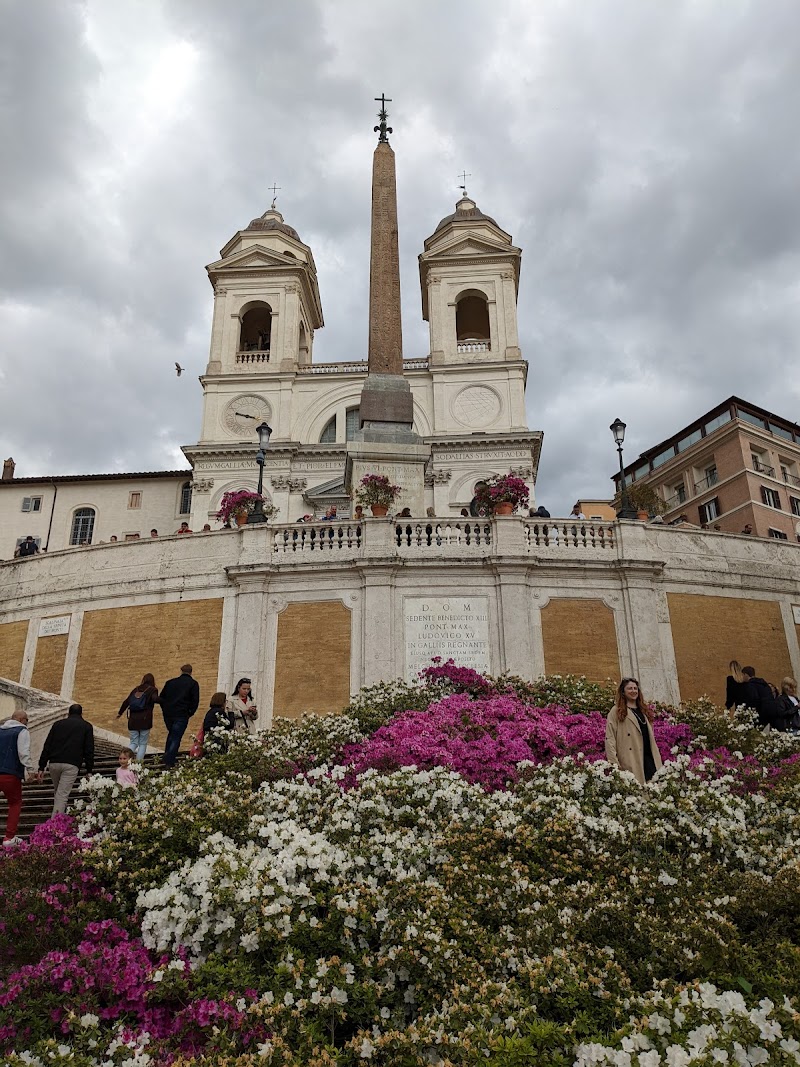
- The Spanish Steps. Beautiful but a 5-minute stop, not a destination. Drive past at most.
- The Trevi Fountain at peak hours. Visit at 7am or 11pm. Anything in between is a crowd-management exercise.
- Day trips. Tivoli, Frascati, Ostia Antica are all wonderful and all wrong for a 3-day Rome trip. Save them for the next visit.
- The Catacombs. Cool concept, long line, two-hour commitment. Pick something else.
- Big tour groups for the Vatican. The "skip the line" tours that cost €80 and pack you into a 30-person group are worse than the regular self-guided experience. Just book the timed entry yourself.
What to keep an eye on
A few practical notes:
- Reservations are everything. The good restaurants book out three to six weeks. Make the dinners non-negotiable in your planning sequence.
- Sundays are slower. Many of the best restaurants close on Sunday or Monday. Plan around it.
- Walk everywhere in centro storico. The cobbles are tough on shoes but the metro doesn't reach the parts of the city you actually want to see.
- August is hot and many Romans leave. September-October and April-May are the right windows.
Where to stay
For a 3-day trip, base yourself in Monti, Trastevere, or Centro Storico. All three are walkable to the major sites and to each other. Avoid Termini (the train station area is touristy and characterless), avoid hotels far from the historical center (the metro doesn't go where you need to go).
Mid-range hotels run €180-300/night in season. Apartments in Monti or Trastevere are often cheaper and put you in better neighborhoods.
— —
If you've been saving Rome videos and trying to pull them into a working trip, SavedTrips extracts every place automatically. Or browse our Rome travel guide for the full set of curated picks.